

What You Need to Know About Drip Brew Coffee
The Drip Brew coffee is a easy to prepare coffee with an equilibrating taste. It is high in caffeine, which gives you a boost of energy and may aid in weight loss, as well as other health benefits.
For drip brews it is recommended to use a coarsely-ground coffee. This grind size allows water to flow through the coffee more easily, which prevents over-extraction and bitterness.
Filters
The filter used in drip brewing is an essential component of the process. It can greatly impact your coffee's flavor and consistency. Filters are available in various shapes to fit different brewing methods and equipment. Cone filters, baskets filters and flat-bottomed filters are some of the most common.
Cone filters feature a V-shaped design that is used in pour over coffee makers and some drip machines to provide an even extraction as well as a more nuanced taste. They are usually made from paper and may be bleached or unbleached. They are also available in a number of sizes and sizes, with the #2 size being the most popular for these brewing equipments.
Basket filters are round and have a basket-like shape. They are compatible with drip coffee makers of all kinds. These filters are usually made of paper or metal and are bleached or unbleached. Some coffee enthusiasts choose these filters for their ability to sift out more bitter sediment and provide an even more full cup of coffee without the gritty.
Flat-bottom filters have flat bottoms and straight sides that work with specific drip coffee makers. They are similar to basket filters in that they can be bleached or unbleached, however they're often used for pour-over brewers such as the Kalita Wave and Melitta Classic. Some people prefer these filters since they don't impede water flow as much as the cone's pointed end filters.
Cloth filters for coffee are becoming popular due to the fact that they have a better taste and less grit. These filters are comprised of hemp, cotton or nylon. They feature an extremely tight weave that blocks coffee grounds but lets the essential oils to pass through to your final coffee. They are typically employed in pour over and French press brewers, as well as the Aeropress method of brewing.
While some people like these filters since they don't block all the essential oils, others have found that a metal filter can actually make their coffee taste gritty and coarse. Metal filters have more pores than paper filters that are tightly woven and are more likely to let some of the coffee oils and finer grounds to be absorbed into your beverage. For this reason, many drip brewers choose to use paper filters.
Temperature of the Water
It is often said that the ideal temperature for coffee brewing is 195 to 205 degrees Fahrenheit (90 - 95 degrees Celsius). This temperature allows water to extract aromas and flavors from the beans while conserving the natural acids and oils. Many people are unaware that the temperature of the water has an influence on the taste of the coffee you drink.
The higher the temperature of water the more quickly and completely the coffee components are extracted. This means that if you choose to use water that is too cold, it will not extract the coffee and result in a flat and dull flavor profile. If you use too hot water, it will extrude too much of the coffee and result in an unpleasant and bitter flavor.
The exact temperature of water used to brew is a bit of a debate. Although a wide range of temperatures can produce top-quality coffee, the majority of experts agree that the 195 to 205 degree F range gives the best results.
The water temperature has an impact on the body and health benefits of coffee. For instance the body's absorption of nutrients and antioxidants is affected by temperature which is why it's important to use clean, cold drinking water when making your drip coffee.
It is essential to select coffees that are made with high-quality ingredients and are heated to an appropriate temperature.
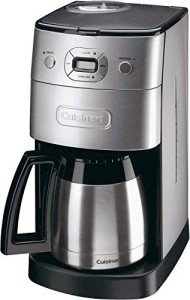
A drip coffee maker is the easiest method of making coffee. There are a variety of brands and models of drip coffee makers available with both automatic and manual models. go to the website come with a carafe which holds the brewed coffee and a lid and a pouring spout to allow serving. Some of them offer additional features, including adjustable settings and thermal carafes as well as drip brew.
Ratio Coffee to Water
In drip brew the proportion of coffee to water is what determines flavor and strength. The ratio is up to personal preference. However, in general, higher ratios of water to coffee are associated with more intense flavors, while lower ratios are associated are associated with lighter flavors. You can play around with different ratios to determine what works best for you but remember that other factors like grind size and water temperature also play a role in the final cup.
Using drip coffee makers lets you to make larger amounts of coffee at once than pour over, which is especially helpful when hosting guests or making multiple cups to begin your day. This will save you time in the morning, and makes it a convenient option for coffee lovers who have to leave the house quickly.
Although there isn't a single "golden ratio" for every brewing method, most experts agree that a general rule of thumb for drip brew is two tablespoons of ground coffee per six ounces of water. This is a guideline that you can alter to your personal taste, but it's important to use premium water for the best results (preferably filtering or bottle-sealed).
The showerhead of a drip coffee machine distributes water evenly over the grounds, ensuring that all of the coffee is fully saturated and increases flavor extraction. This makes the brew consistent every time, which is crucial for coffee drinkers who want to enjoy a steady cup of joe in the morning.
When you're experimenting with the ratio of coffee to water, you should make small adjustments at a time so that you can evaluate the impact. For example, if you notice that your coffee is bitter or salty, try grinding more finely to increase the surface area and accelerate extraction. This can help bring out the flavors and eliminate unpleasant odors. As you continue to experiment with your ratio of water-to-coffee make sure you note the results so that you can easily recreate the perfect cup of coffee every time. You'll be able to enjoy the full benefits of your new drink in no time!
Carafe
Consider whether a large-capacity coffee maker will be the best option for you, if you're caffeinating a group or you're on your own. Some of our top models have thermal carafes that keep the final cup as delicious as the first, and they'll keep hot for a long time. Larger capacity machines are heavier and require more space in the cabinet or counter.
In addition to the size and weight, you'll also need to decide what kind of features you need. We recommend a machine that can be programmed to start the brewing process at a particular time in the morning. This way, you can awake to your coffee ready. Many of the top coffee machines that can be programmed are certified by the Specialty Coffee Association. They offer a variety of useful features that make brewing more convenient.
The BUNN Speed Brew 10-Cup has an internal hot water tank that keeps 70oz of hot water warm which allows you to brew fast with the flip of a lid. It's among the fastest drip coffee makers on the market, and can make an entire pot in less than six minutes, which is more than enough to satisfy most coffee drinkers. The patented design of the spout and lid guarantee a clean pour without drips or spills.
If you prefer an approach that is more hands-on to making coffee, you can try a manual drip brewer. This type of drip coffee maker is often called a French press, and it's recognized for its unique elegant design. These coffee makers are easy to use and are available in sizes that allow you to make up to 10 cups at once. They don't require extensive cleaning or decalcification.
The Chemex Glass Handle Series is another popular style of drip-coffee maker. It appears sleek and contemporary in any kitchen. This style is available in a wide assortment of sizes and colors that are sure to complement any style. The Chemex also comes in a variety of distinctive shapes and materials. The glass handles were hand-blown in Croatia by artisans and the carafes were made of durable, high-quality Borosilicate Glass.